Protecting our environment
We are implementing measures to reduce our impact on air and water quality, as well as on biodiversity within the airport area.
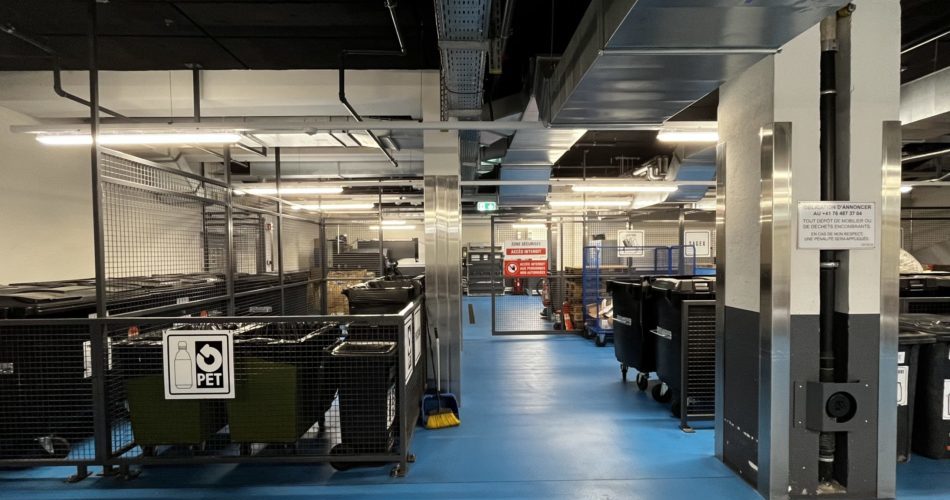
We manage a large share of the waste generated by the 200 companies operating on the airport platform.
In 2025, the waste recycling rate stood at 42.9%, compared with 45.6% in 2024.
In 2025, 3,317 tonnes of waste were collected from our eight waste collection centres and drop-off points, compared with 3,900 tonnes in 2017.
In 2024, we adopted a waste management strategy aimed at:
Air pollution index: level 2 “moderate” (scale from 1 “low” to 6 “very high”)
View campaigns carried out by the canton
Results comparable to campaigns carried out in suburban areas.
Each winter, thousands of aircraft are de-iced before take-off. In recent years, we have opted for de-icing products that have a lower environmental impact while remaining just as effective.
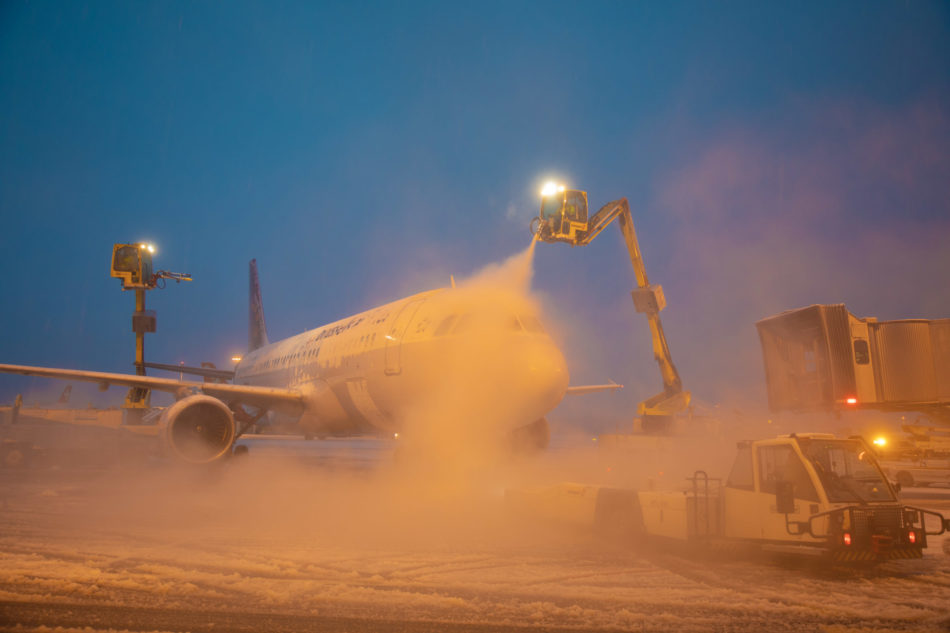
Since January 2019, water contaminated by de-icing products flowing off the eastern part of the runway and outside aircraft parking stands is collected and stored in the Vengeron retention basin, located at the end of the runway.

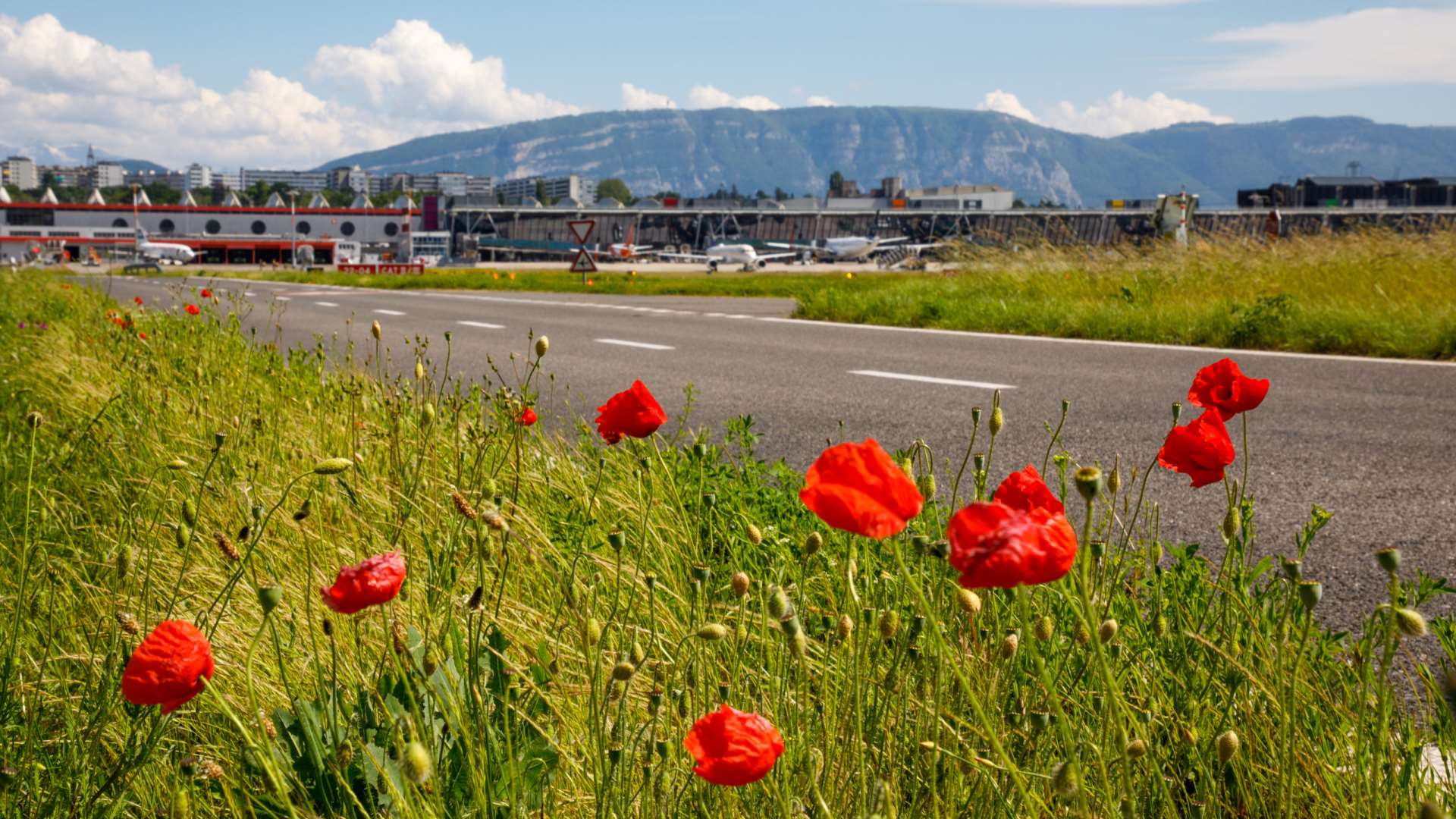
We are the largest “priority flora site” in the canton. Within the 137 hectares of grassland surrounding the runway, many protected species grow, including wild orchids. Each year, we collaborate with the Genthod Ornithological Rehabilitation Centre (COR) on a project to return young swifts to their nests in nesting boxes located in the Grand Hangar.
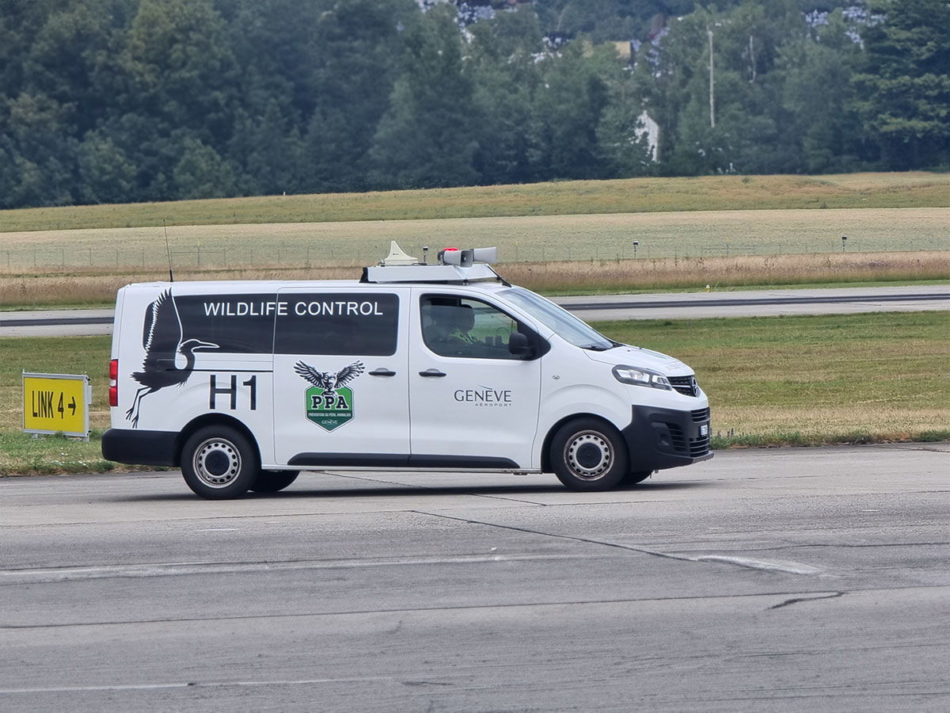
Birds pose a safety risk to aircraft. We implement measures to prevent collisions, in particular through our wildlife hazard management team (known as PPA), which is present from runway opening to closing. In 2025, the number of wildlife strikes was 4.17 per 10,000 movements.