

Reducing our carbon footprint

We are actively committed to reducing the airport’s CO₂ emissions, with a realistic objective: reaching net zero by 2037. We also contribute to the industry’s global goal of achieving carbon neutrality by 2050.

Greenhouse gases: our strategy

Our 2024 GHG‑reduction strategy sets ambitious targets.

View our GHG reduction strategy (french)

Our objectives

Scope 1 et 2

Reaching net zero by 2037

Emissions under our control

Scope 3

Contributing to industry‑wide net zero by 2050

Emissions generated by our partners

Sources of our emissions


The emissions from Scope 1 and 2 fall under our direct control, while those from Scope 3 originate from partners and the wider value chain.

In 2024, our total carbon footprint amounted to 11,516,086 tonnes of CO₂. The vast majority of these emissions came from our partners (Scope 3: 99.5%), whereas our own emissions (Scopes 1 and 2) represented 0.4% and 0.1% of the total carbon footprint, respectively.

Our carbon footprint (Scopes 1 and 2)

The carbon emissions under our control (Scopes 1 and 2) have been decreasing over time. They fell from 10,929 tonnes in 1990 to 5,866 tonnes in 2024. The measures currently in place should enable an 80% reduction from 1990 levels by 2028, exceeding our initial target of a 60% reduction by 2030.

Emissions under our control

Acting on our carbon footprint

We are taking concrete action to reduce our carbon footprint, focusing on three key measures:

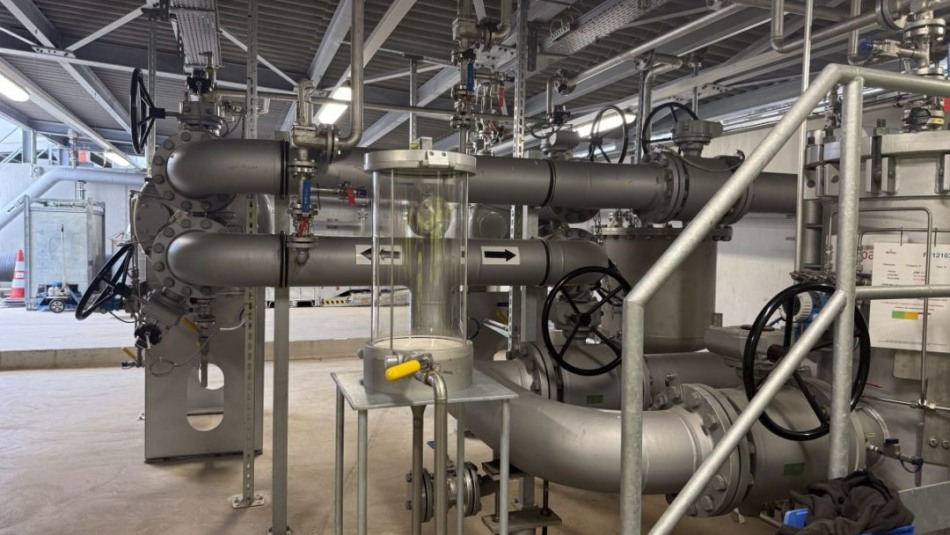
  • Connecting to the GeniLac network: By 2028, this thermal system will allow us to heat and cool our buildings using water from Lake Geneva, cutting our CO₂ emissions by 60%.
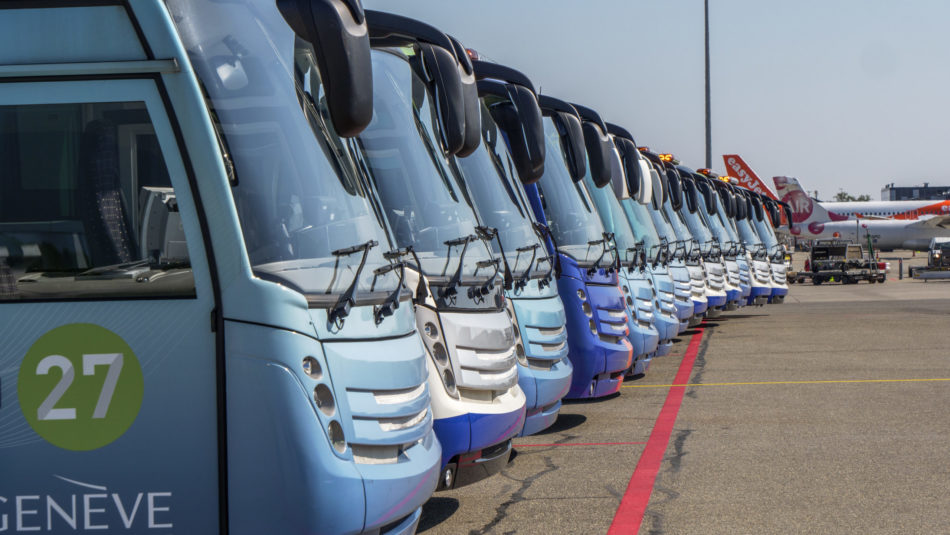
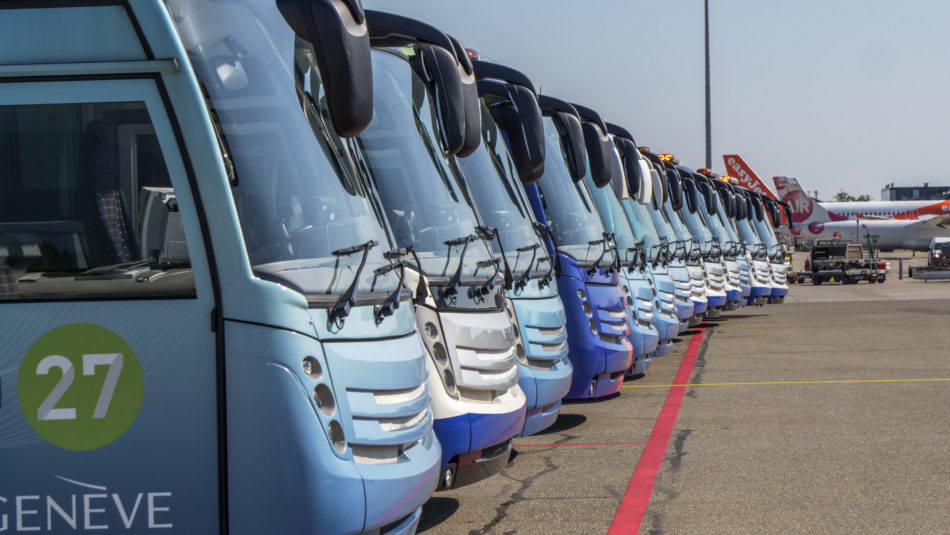
  • Electrifying our airside vehicle fleet: We aim to reach 45% electrification by 2025 and 90% by 2030, significantly reducing emissions from ground operations.
  • Switching to low‑impact refrigerants: We are phasing out high‑global‑warming‑potential refrigerants and replacing them with alternatives that have a much lower climate impact.

Connection to the GeniLac district heating and cooling network

One of our key measures to reduce our Scope 1 and 2 emissions.

Energy transition: our 2030 objectives

-60%
Our carbon emissions
8 GWh
annually from solar power
+25%
energy‑efficiency measures
90%
electric airside vehicles and equipment

Sustainable construction

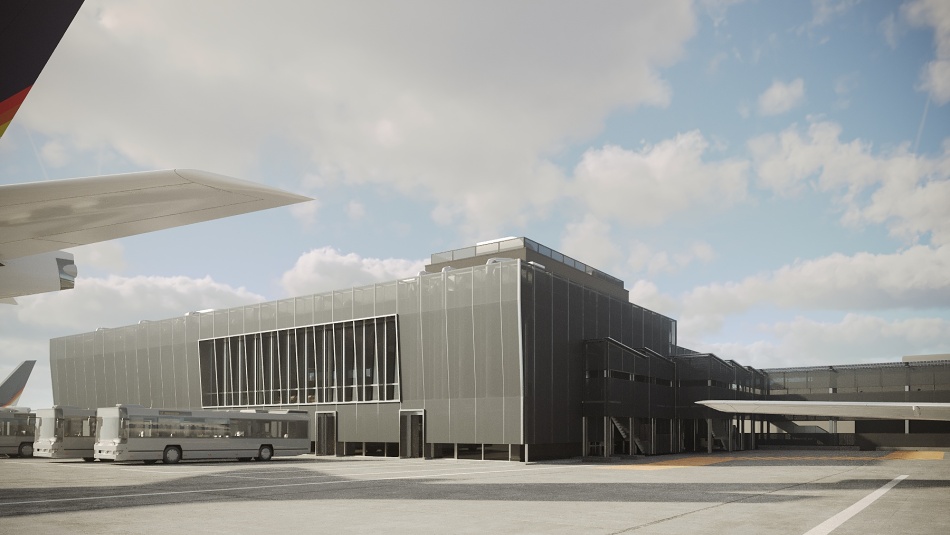
Since 2023, all major new buildings on the platform must obtain the DGNB sustainable‑construction certification, with a minimum Gold level (and Silver for major renovation projects). The extension of Satellite 10, whose construction began in 2025, is the first major project to follow this approach and is aiming for Gold certification.

Satellite 10 extension: works have started (french)

Addressing partner‑related emissions

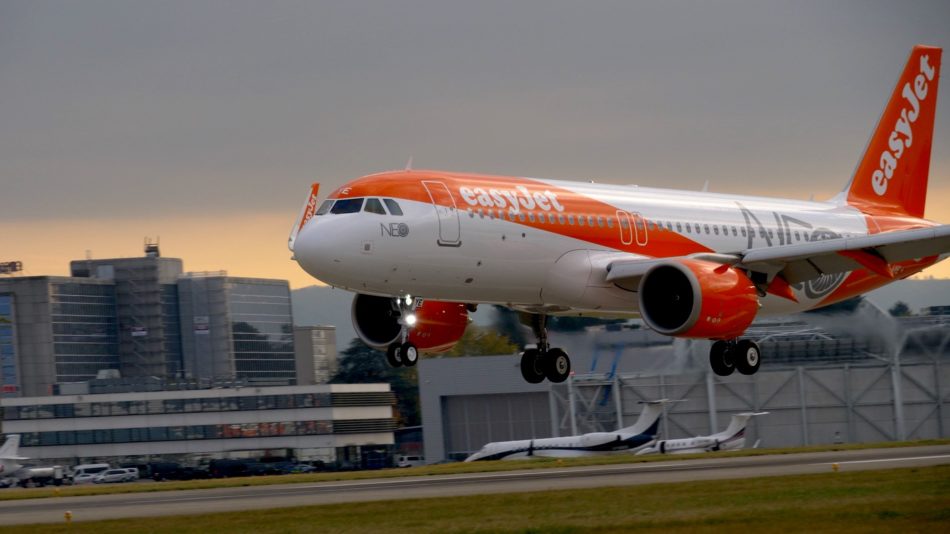
New‑generation aircraft

Supporting the deployment of latest‑generation aircraft through financial incentives.

How does Genève Aéroport attract quieter, less polluting aircraft?
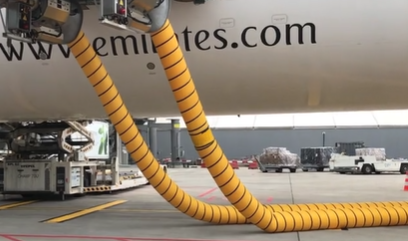
Auxiliary engines switched off

Instead, aircraft use 400 Hz ground power and pre‑conditioned air systems. The result: less noise and significantly lower kerosene consumption.

Pilots must shut down all engines
Electric vehicles

Encouraging the electrification of our partners’ vehicle and equipment fleets, aiming for 90% by 2030.

Access by sustainable transport

Encouraging sustainable transport options for accessing the airport, with 2030 targets of 44% for employees and 58% for passengers.

Sustainable aviation fuel

Enabling the use of SAF across the platform, with all fuel‑supply partners now fully ready.

First SAF Forum organised by Genève Aéroport

Encouraging sustainable mobility

Promoting sustainable transport for passengers and employees travelling to the airport

2030 target — sustainable modal share

  • 44% for employees
  • 58% for passengers

Our actions

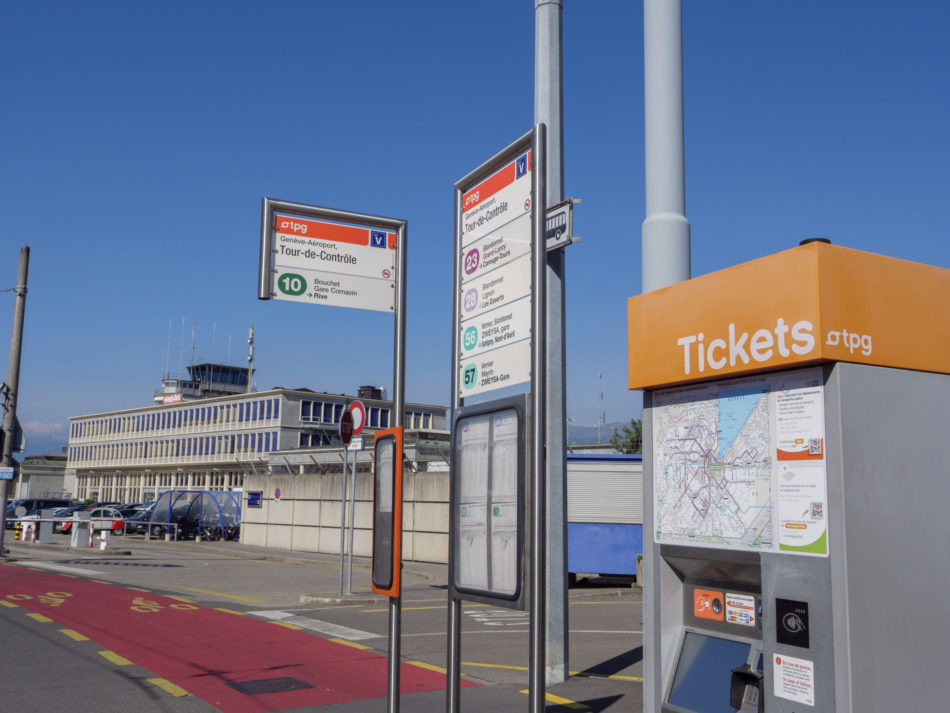
  • Funding Aérobus services — free bus service between 3:00 and 6:00 a.m. to reach the airport.
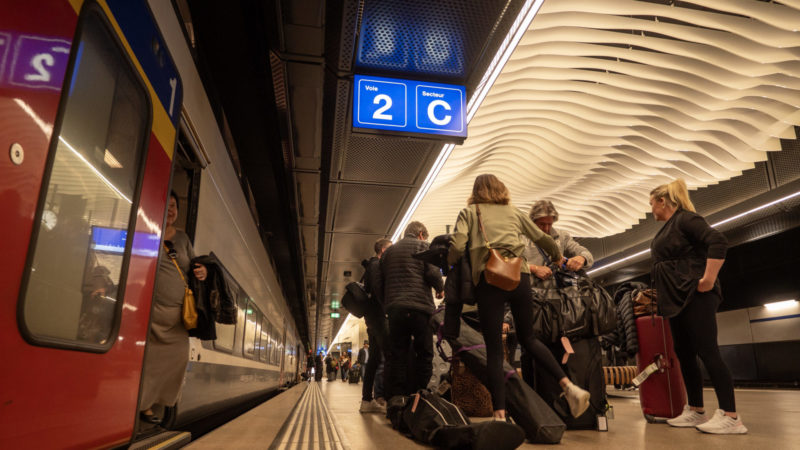
  • Agreement with SBB to offer CHF 10 discount vouchers per passenger for any train journey to or from Geneva Airport.
  • Partnership with SBB for “early‑morning” and “late‑evening” trains during holiday‑travel periods.
  • Subsidies for employees choosing soft‑mobility options to commute to work.

Aérobus: complimentary early‑morning connections

Labels and certifications

ACA 4+ (Transition)

Advanced carbon‑reduction accreditation

Learn more about this label

ISO 50001

Energy management

Learn more about this label

Ecomobile

Supporting soft mobility solutions

Learn more about this label

Read our 2025 Sustainability Report

Download